-
Home
-
Why This Matters

-
Check on Your People
-
Get Tested for HIV
-
Resourcesarrow_drop_down
RESOURCES

-
Community Resources
 Find support, organizations, and trusted resources.
-
HIV Prevention Options
Learn about ways people can help protect themselves from HIV.
-
About the Campaign
The mission behind the movement.
 All images are model portrayals.
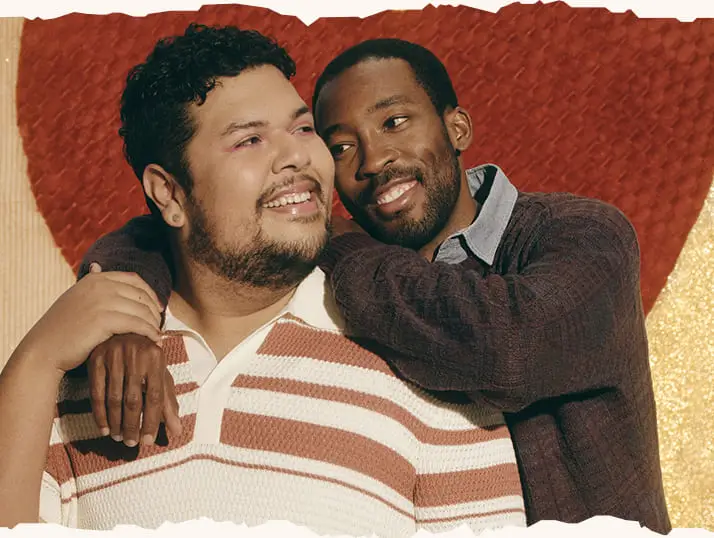 All images are model portrayals.
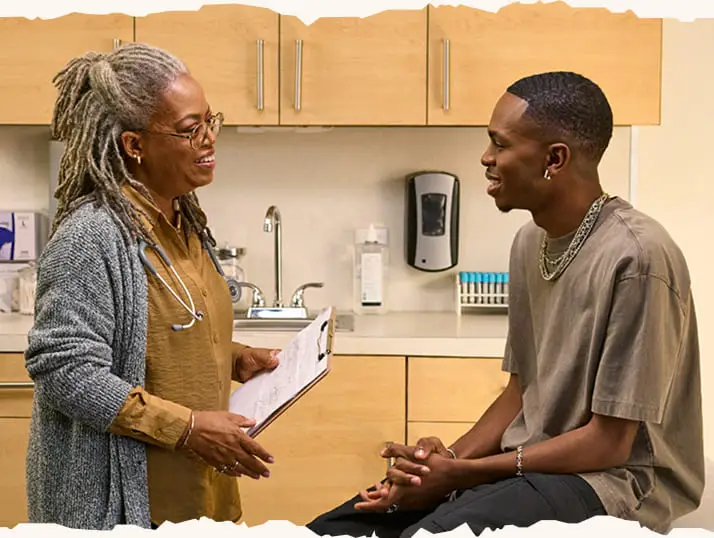 All images are model portrayals.
 Actor portrayals. For US audiences only.
 -
Community Resources


WANNA GET TESTED FOR HIV?
Changing the narrative about HIV prevention starts by knowing your status. Click to find a testing location near you.
Find an HIV Testing Location
Frequently asked
questions

According to the Centers for Disease Control and Prevention (CDC), persons 15 years of age or older should take an HIV test at least once in their lifetime. Men who have sex with men may need to get tested every 3 to 6 months. Getting tested may be easier than it seems. Talk to your healthcare provider about what's right for you. Click here to find HIV testing locations near you.
Source:
2025, CDC
2025, ODPHP
You could benefit from knowing your HIV status more than you might think. HIV can affect anyone, and testing can give you the information you need to take care of your sexual health.
According to the Centers for Disease Control and Prevention in 2019, approximately 83% of Black MSM and 80% of Hispanic/Latino MSM with HIV had received a diagnosis, compared to 90% of White MSM, leaving many unaware of their status. Meaning many portions of Black and Latino MSM are living with HIV without knowing it. Also, did you know that among women aged 13 and older diagnosed with HIV in 2023, nearly 50% were Black women?
Behind every stat is a person, a family, and a community. HIV testing helps provide the knowledge you need to make choices that support your health and well-being.
Source:
2023, CDC
2023, AIDSVu
According to the National Institutes of Health (NIH), there are several ways to help lower your chances of getting HIV. Use condoms correctly every time you have sex. Talk to your healthcare provider about PrEP. PrEP stands for pre-exposure prophylaxis. That means routinely taking prescription medicine before you're exposed to HIV to help reduce your chances of getting it. When taken as directed, PrEP can be about 99% effective in preventing HIV through sex. Get tested regularly so you know your HIV status and can make informed decisions. If you think you may have been exposed to HIV in the last 24 hours and are not on PrEP, contact a healthcare provider immediately about PEP (post-exposure prophylaxis), which means taking prescription medicines daily after you think you've been exposed to HIV.
Every hour counts. The right combination of options depends on your life and situation. A healthcare provider can help you figure out what works best for you.
Source:
2026, National Institute of Health
Yes. According to the National Institutes of Health (NIH) people taking PrEP should be tested for HIV regularly (usually every three months), which may require routine follow-up visits with a healthcare provider. Although PrEP protects against HIV, it does not protect against other sexually transmitted infections (STIs), so it should be used with condoms. Testing while on PrEP isn't just a formality. It's part of the routine.
Source:
2026, National Institute of Health